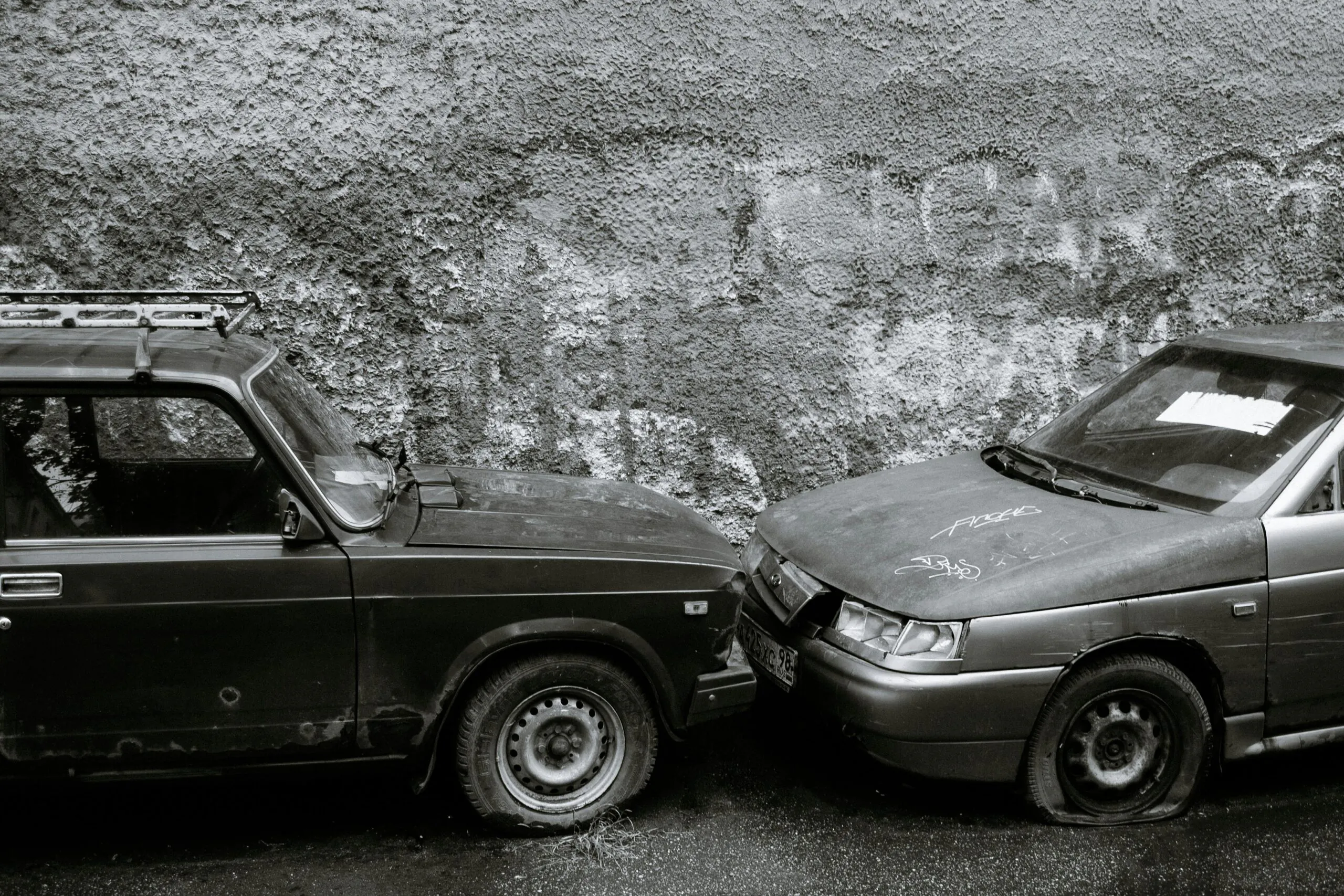
This guide examines how to establish liability in Alaska car accidents, covering the pure comparative negligence statute, various causes of collisions, and the critical steps for recovering damages.
Key Takeaways
Navigating the aftermath of an Alaska car accident requires a clear understanding of liability laws. Identifying the at-fault party is the first step toward securing compensation. This guide explores how evidence, statutes, and negligence determine your recovery after a collision.
Consulting with a car accident personal injury lawyer is vital because Alaska follows a pure comparative negligence system under AS 09.17.060, allowing for recovery even if you are partially at fault. This legal framework ensures that your ability to collect damages does not disappear simply because you made a minor error during the incident.
The court evaluates the specific actions of every person involved and assigns a numerical percentage of fault to each party. Consequently, your final compensation decreases by the exact percentage of your own responsibility. If a jury finds you thirty percent responsible for a collision, you still receive seventy percent of the total award. This equitable system provides a fair path toward justice in complex multi-car pileups where blame is rarely singular.
Identifying the root cause of a collision allows your car accident personal injury lawyer to pinpoint every party legally responsible for your injuries and property damage. Many incidents stem from basic driver error, such as speeding, distracted driving, or operating a vehicle while intoxicated. However, you might also face a situation where a mechanical failure, like a tire blowout or brake malfunction, caused the crash. In these specific instances, the manufacturer of the defective part faces liability for your losses.
Furthermore, the state or local government might be responsible if poor road maintenance or hazardous potholes led to your accident. When multiple factors converge, you may need to pursue claims against several different entities simultaneously to ensure you receive full and fair compensation for your hardships.
To win your case, you must demonstrate that the other party breached their duty of care. Every driver on Alaska roads owes you a legal obligation to operate their vehicle safely and follow traffic laws at all times. You prove a breach by showing the defendant acted recklessly or ignored established safety regulations.
After establishing this breach, you must show that their negligence directly caused your specific physical injuries. This link between the action and the harm is the cornerstone of any successful personal injury claim.
Finally, you must provide documented proof of your damages through medical records, loss of income statements, and repair receipts. Without these concrete pieces of evidence, the court cannot accurately value your suffering or financial loss during the final judgment or settlement.
You must act quickly to preserve your rights under Alaska’s strict legal timelines. According to AS 09.10.070, the statute of limitations generally gives you two years from the date of the accident to file a lawsuit. If you miss this deadline, the court will likely dismiss your case regardless of how much evidence you possess.
Early action allows your legal team to interview witnesses while their memories remain fresh and gather physical evidence before it vanishes from the scene. Delaying your claim only benefits the insurance companies, who want to minimize your payout.
Protecting your future starts with understanding these critical deadlines and taking decisive steps toward litigation. Timely filing ensures that your voice is heard and your right to recovery remains intact under the law.
Proving liability in Alaska is complex, but you do not have to face it alone. Our legal team is ready to fight for the compensation you deserve. Contact a dedicated car accident personal injury lawyer today for a free consultation.
Featured image source: https://www.pexels.com/photo/old-damaged-cars-near-rough-gray-wall-5820892/