
Legal Options for Victims of Winter Driving Accidents in Alaska
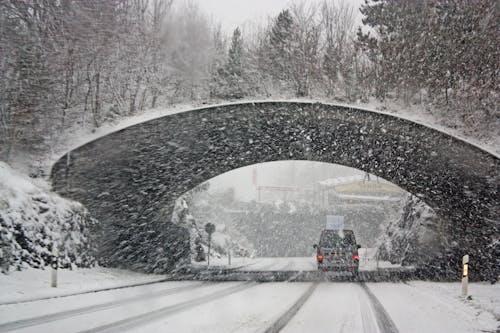
Travelling through the magnificent scenery of Alaska in winter is dangerous, as extreme weather conditions often cause life-threatening situations on the roads. When a car accident happens in the middle of the snow and ice, and you are the victim, you might feel lost and confused about what to do.
You should also note that, despite any weather factor, you can still claim legal compensation. The laws in Alaska offer avenues through which victims can pursue justice, and education on their rights is the initial step towards recovery.
Understanding Alaska’s At-Fault System in Winter Conditions
The fault or tort liability theory controls Alaska’s car accident legal system. This means that the individual found to have caused an accident is liable for the damages caused. This is essential when it comes to driving accidents during winter.
A driver cannot just fault the icy roads for causing an accident; they should drive their vehicle in reasonable care appropriate to the circumstances. Legal remedies available to winter driving accident victims depend on whether your car accident attorney in Alaska can demonstrate that another party was negligent in causing your injuries and losses.
What Constitutes Negligence on Icy Roads?
To demonstrate negligence in an accident that occurred in the winter, it is necessary to prove that the other driver was not acting in a way that is reasonably prudent in that situation. In one example, when driving at the indicated speed limit is considered unsafe due to snow and ice, it could be said that one is negligent.
It is also possible to prove negligence when a driver does not take care of their vehicle, i.e., driving with tires that are worn out and do not have the treads needed to drive on icy roads. Negligence can also be considered as following another vehicle too closely or other traffic offences, which are more dangerous in winter.
The Pure Comparative Negligence Rule: What if You Were Partially at Fault?
One of the most essential features of the legal environment in Alaska is the pure comparative negligence rule. This law enables you to get damages regardless of whether you are at fault in the accident in part. The percentage of fault will just decrease your total compensation.
An illustration of this is when you are awarded damages of 100,000, but determined to be 20 percent wrong, you can still get damages of 80,000. This system is essential, especially in winter accidents, where responsibility is often difficult to establish, so you are not wrongly deprived of compensation.
Key Steps to Protect Your Legal Rights After a Crash
What you do and do not do in the days and hours after an accident can make or break your chances of getting just compensation. Even in minor cases, emergency medical care is necessary because some conditions will not manifest immediately.
That also establishes a medical history associating your injuries with the crash. Record all these by taking pictures of the accident site, damage to the vehicle, and the roads.
Also, a copy of the police report is a critical piece of evidence that you must obtain. If the property damage appears to be over 2,000 dollars and law enforcement does not investigate the scene, you must file a report.
When you are in an accident in winter because of driving in Alaska, you do not have to go through the legal challenges alone. A personal injury case in Alaska has a two-year statute of limitations, meaning one must move quickly to file a lawsuit. Call our qualified car accident lawyers today and get a free, no-obligation consultation on your rights and potential legal action.
Featured Image Source: https://www.pexels.com/search/Winter%20Driving/