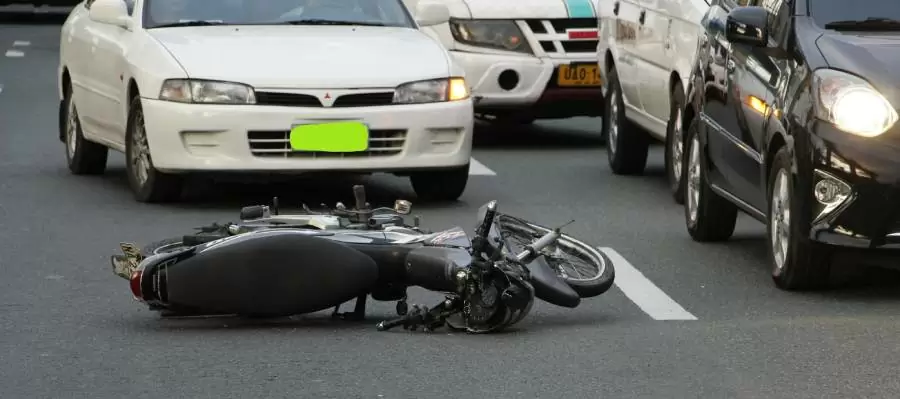
A motorcycle accident in Anchorage presents unique challenges due to the city’s distinct environment and traffic patterns. Motorcycle riders must grasp the dominant types of collisions and their root causes to ensure safe road travel.
You should immediately contact an Alaska motorcycle accident lawyer after such an incident. A legal professional will help navigate insurance claims and possible legal proceedings to safeguard your rights while ensuring you obtain proper compensation.
Left-turn accidents represent a common dangerous situation on the road. Left-turn collisions occur when vehicles turning left block the way of approaching motorcycles. Motorcycles remain out of sight for drivers because of their small dimensions, which leads to critical collisions. The National Highway Traffic Safety Administration (NHTSA) indicates that these occurrences constitute the main reason for motorcycle deaths.
Motorcyclists experience significant dangers during rear-end accidents. Motorcyclists do not benefit from vehicle frame protection, making any collision impact potentially life-threatening. The unexpected impact can throw a motorcycle rider out of their vehicle, which generally results in severe injuries.
Lane splitting stands as an essential issue because motorcycle riders choose to pass through the gaps between traffic lanes while stopping or moving slowly. Lane splitting remains prohibited throughout Alaska, which endangers road users because vehicles draw too close and traffic patterns remain unpredictable.
The habit of distracted driving continues to be widespread throughout the country. The activities of texting or device adjustments by drivers result in their inability to see motorcyclists, leading to traffic collisions. Motorcycle accidents are more likely because distracted attention shortens drivers’ reaction times.
Motorcycles remain vulnerable to being missed by drivers because they have narrow dimensions. During lane changes or merges, the risk of collision becomes higher because drivers fail to see motorcycles due to their oversight.
The road conditions within Anchorage create specific dangers for travelers. Motorcyclists encounter dangerous situations when they navigate potholes while riding on uneven surfaces with debris because these elements can result in control loss and motorcycle accidents. The changing weather patterns in the city create additional perils because they make roads slippery and difficult to predict.
The protection of safety demands that motorcyclists use suitable gear. Motorcyclists must wear helmets approved by the Department of Transportation since head injuries represent the leading cause of motorcycle death in accidents. Protective clothing combined with gloves and boots will help reduce injuries when motorcyclists experience a crash.
Defensive riding methods must be learned to ensure safety while riding a motorcycle. Motorcyclists should keep a proper following distance and predict upcoming issues while staying alert, especially at intersections. Motorcycle riders who maintain their preparedness and stay attentive will have improved capabilities to deal with sudden occurrences.
Motorcycle safety courses enable riders to improve their skills while teaching them advanced riding methods. The Motorcycle Safety Foundation operates as an organization that delivers educational programs to enhance rider skills and boost safety knowledge.
Your actions will influence your health and legal position during the first crucial steps after an accident. Begin by moving to a safe position outside traffic lanes to ensure your safety, and then check for injuries. Calling emergency services becomes essential as soon as possible, regardless of apparent injury severity.
Getting medical help remains essential since certain wounds could take time to become visible. The complete medical evaluation process helps identify every possible injury that gets adequately documented.
Riders with instructional permits and those under 18 must follow Alaska’s helmet requirements. Adult riders’ personal choice of helmet use potentially influences their subsequent injury claims because insurance companies may assert contributory negligence claims.
The state operates under a comparative negligence framework, which reduces compensation benefits based on how much the rider contributed to the accident. This principle is essential information for individuals who want to file claims.
Alaska has established a two-year deadline for personal injury claims to begin after the occurrence of the accident. The law requires you to file your claim during the specified period because failing to do so will result in losing your right to compensation.
Individuals who are victims can obtain different types of reimbursement. Medical expenses for emergency care surgeries and rehabilitation costs receive standard coverage. Victims affected by work absences due to the recovery period are eligible to file compensation claims for lost wages.
The law recognizes pain and suffering as non-economic damages, which include both physical pain and emotional distress that stems from accidents. The total damages depend on how badly the victim was hurt and how their injuries affect their daily life.
Motorcycle accident survivors must understand the urgent actions required immediately after an accident and know the subsequent legal process. Knowledge gives motorcycle riders the power to defend their rights while safeguarding their well-being effectively.
Featured Image Source: https://www.pexels.com/photo/motorcycle-lying-on-the-road-12002262/