
Tips For Gathering Evidence In Your Hit-And-Run Accident Case
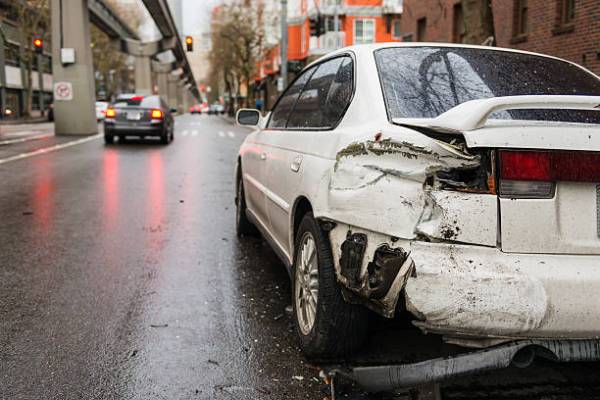
Car accidents are usually dreadful, especially when the person concerned is alone by the at-fault party. Evidence can increase your chances of identifying the fleeing driver and getting compensated. Alaska has laws for that seek to protect victims of such hit-and-run accident, and getting crucial evidence is the determinant of your case. This article explains what you should do after being involved in a hit-and-run and what constitutes a hit-and-run under Alaska law.
Proving a Hit and Run: Essential Evidence to Establish Liability
The first few moments after the accident are vital to establishing liability in a hit-and-run case. Always prioritize your safety, but start documenting the scene immediately if possible.
Photos and videos provide crucial visual evidence of damage to your vehicle and the surrounding area. Capturing details like skid marks, debris, or vehicle parts left at the scene can help investigators identify the make and model of the fleeing vehicle.
Eyewitnesses are also essential. If anyone nearby saw the incident, ask for their contact information and see if they can provide a statement. Even brief descriptions of the other car or driver could lead to significant breakthroughs later. Lastly, look for nearby surveillance cameras from businesses or traffic lights that may have recorded the accident.
To navigate this process efficiently, having a car accident lawyer group on your side can make all the difference. These specialized lawyers can help you preserve physical evidence, gather surveillance footage from nearby businesses or traffic cameras, and work with law enforcement to strengthen your case.
What Constitutes a Hit-And-Run Incident in Alaska?
Alaska defines a hit-and-run as a situation whereby a driver of a vehicle involved in an accident departs the scene without identifying themselves to other parties or offering assistance to any injured persons. This is unlawful behavior and attracts serious consequences.
A driver must stop, give their details, and, in some cases, help the injured. If this is not done, one is likely to be charged with a misdemeanor or a felony, depending on the extent of the accident. Documenting this wrongdoing is essential, especially when seeking legal or insurance remedies.
How to Prove a Hit-And-Run in Alaska
The proof of a traffic accident, particularly a hit-and-run, is not easy in Alaska as it entails compiling evidence from different sources. Begin with the police report because it is one of the most important documents.
Police officers can take photographs and statements and give the first estimation. Your medical records are also helpful, as they show the severity of your injuries and help establish impact and loss.
Moreover, modern technology can work in your favor, especially when establishing faults. Eyewitness reports, if there are any, are also beneficial as they show a clear view of the hit-and-run as it occurs. In the same way, the traffic camera or any recording from nearby stores may show the fleeing vehicle and thus provide incontrovertible evidence of the driver’s recklessness.
A good car accident lawyer will assist you in collecting evidence, dealing with the insurance companies, and if the case goes to trial. If you are searching for reliable attorneys in your area, focus on those with prior experience working on hit-and-run cases.
Featured Image Source: https://www.istockphoto.com/photo/accident-gm473782420-64985793?searchscope=image%2Cfilm